


TPO Installations
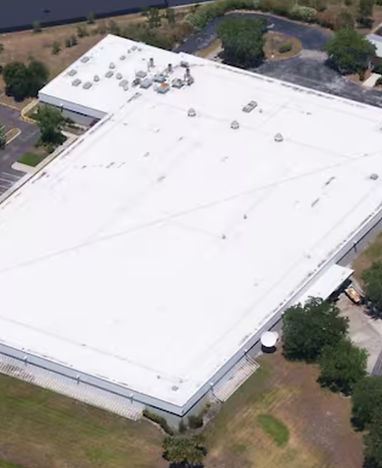
Thermoplastic Polyolefin (TPO) is the fastest-growing commercial roofing choice in the industry. It combines the durability of rubber with the performance of hot-air welded seams.
Key Benefits
-
Cost-Effective: Offers premium single-ply protection at a lower price point than PVC.
-
Energy Efficient: The bright white surface reflects up to 85% of solar heat, lowering cooling bills.
-
Leak Resistant: Hot-air welded seams are up to four times stronger than taped rubber seams.
-
Eco-Friendly: The material is 100% recyclable and contains no plasticizers or hazardous chemicals.
Thickness Options
TPO membranes are measured in mils (thousandths of an inch).
-
45 Mil (1.14 mm): The entry-level, budget-friendly option. It lasts roughly 15 to 20 years but offers lower puncture resistance.
-
60 Mil (1.52 mm): The industry standard choice. It balances cost and durability, lasting 20 to 25 years.
-
80 Mil (2.03 mm): The premium high-performance grade. It provides maximum puncture, hail, and weathering resistance, lasting 25 to 30+ years.
Warranties
-
Material Warranty: Covers manufacturing defects in the TPO membrane for 10 to 20 years.
-
Manufacturer NDL (No Dollar Limit) Warranty: Covers both material and contractor labor defects for 20 years. It has no financial cap on repairs.
TPO Retrofit Systems (Recover)
A TPO retrofit installs a new single-ply membrane directly over an existing, failing roof system. This process eliminates the need for an expensive tear-off.
The Procedure
-
Inspection and Core Testing: Technicians check the existing roof structure for moisture and structural integrity.
-
Moisture Remediation: Crew members cut out and replace any wet or saturated insulation sections.
-
Flute Fill Insulation (For Metal Roofs): Workers fit custom-cut EPS or Polyiso insulation strips between the metal ribs to create a flat surface.
-
Overlay Board Installation: Installers lay down a thin cover board (like Securock or high-density Polyiso) to separate the old roof from the new membrane.
-
TPO Membrane Installation: The crew rolls out, attaches (mechanically or via induction welding), and hot-air welds the new TPO sheets over the cover board.
-
TPO retrofits are very popular in our area because of the cost and energy savings it provides. Looking for a TPO roofing contractor in Edmond or a TPO installer in Oklahoma City ? Call Today.
Key Benefits
-
Massive Cost Savings: Eliminates expensive labor costs and landfill disposal fees from tearing off the old roof.
-
Zero Business Disruption: The building stays completely sealed, dry, and operational during construction.
-
Added Insulation: Adding a cover board or flute-fill increases the building's overall R-value, cutting energy costs.
-
Building Code Compliance: Most building codes allow up to two roof systems before requiring a total tear-off.
Thickness Options
-
60 Mil: The absolute minimum recommended thickness for a retrofit. It successfully bridges the imperfections of the underlying old roof.
-
80 Mil: Highly recommended for retrofits over old metal or modified bitumen roofs to protect against shifting substrates and puncture risks.
Warranties
-
10 to 30 Year NDL Warranties: Widely available for retrofit systems, provided the existing deck is structurally sound and approved by the membrane manufacturer.
As an Oklahoma City building owner or property manager, or a Tulsa building owner, your roof faces some of the most brutal weather conditions in the country. From scorching 100°F+ summer days to freezing winter fronts, golf-ball-sized hail, and severe wind storms, your roof is your property's first line of defense.
If you are facing an aging commercial roof, Thermoplastic Polyolefin (TPO) is likely at the top of your list. This comprehensive guide breaks down how a standard TPO installation works, when a budget-friendly TPO retrofit makes sense, and how to maximize your investment in the unique Oklahoma climate. We are your tpo roofing contractor Stillwater and your tpo roofing contractor Tulsa as well as other parts of Oklahoma. We also handle flat roof repair Oklahoma City and commercial roof replacement Oklahoma City.
Standard TPO Commercial Roof Installation
A standard TPO installation is a "tear-off and replace" project. The existing, failed roof system is completely removed down to the structural deck before the new single-ply system goes down.
The Installation Procedure
A professional TPO installation requires precise execution to handle Oklahoma’s high winds:
-
Deck Preparation: Workers tear off the old roof system, clean the structural deck, and repair any damaged decking or substrate.
-
Insulation Layout: Crew members install heavy-duty Polyiso (polyisocyanurate) insulation boards. In Oklahoma, these are typically mechanically fastened to meet stringent wind-uplift building codes.
-
Membrane Roll-Out: The TPO sheets are rolled out across the insulation and allowed to "relax" under the sun to eliminate wrinkles.
-
Attachment Methods: The membrane is secured using one of three methods:
-
Mechanically Attached: Fasteners screw directly through the membrane into the roof deck (most common for local wind requirements).
-
Fully Adhered: Special bonding adhesive glues the membrane completely down.
-
Induction Welded: Electromagnetic tools weld the membrane to specialized plates underneath.
-
-
Hot-Air Seam Welding: Overlapping sheets are fused together using an automated hot-air welder at temperatures up to 1,000°F. This creates a single, monolithic, waterproof barrier.
-
Detailing and Flashing: Installers hand-weld TPO boots and patches around HVAC units, pipes, and parapet walls.
Benefits for Oklahoma Properties
-
Unmatched Energy Savings: TPO’s bright white, highly reflective surface bounces up to 85% of solar heat away from the building. This drastically lowers your cooling bills during brutal Oklahoma summers.
-
Leak and Wind Resistance: Hot-air welded seams are incredibly strong. They are up to four times stronger than taped rubber (EPDM) seams, making them highly resilient against severe storm fronts.
-
Chemical and Mold Resistance: TPO naturally resists mold growth, impact damage, and chemical emissions from rooftop HVAC units.
The TPO Retrofit System (The Smart "Recover" Alternative)
If your existing commercial roof is failing but structurally sound, you may not need a full tear-off. A TPO Retrofit (or Recover) allows you to install a new TPO membrane directly over your old roof.
The Retrofit Procedure
-
Core Moisture Testing: A roofing contractor performs thermal imaging or core cuts to ensure the underlying insulation is dry. Any wet sections must be cut out and replaced before proceeding.
-
Flute Fill Insulation (For Metal Roofs): If retrofitting an old metal roof, custom-cut insulation strips are placed between the metal ribs to create a flat, level surface.
-
Overlay Board Installation: Installers lay down a rigid cover board (like high-density Polyiso or Securock) directly over the old roof surface to act as a protective separation barrier.
-
TPO Membrane Laydown: The new TPO sheets are rolled out over the cover board, mechanically attached or induction-welded, and hot-air welded at the seams just like a standard install.
Benefits of a Retrofit
-
Massive Capital Savings: You completely eliminate the expensive labor costs and hefty landfill disposal fees associated with a full roof tear-off.
-
Zero Business Disruption: Your building remains fully operational, sealed, and dry throughout the entire project. There is no messy debris falling into your facility.
-
Double the Insulation: Adding a cover board or flute-fill adds extra thermal resistance (R-value), further optimizing your HVAC efficiency.
-
Code Compliance: Oklahoma building codes allow up to two roof systems on a commercial structure. If you only have one roof currently, a retrofit is fully compliant.
Understanding TPO Thicknesses (Mils)
TPO membranes are measured in mils (thousandths of an inch). Choosing the right thickness dictates how well your roof survives local weather anomalies.
ThicknessLifespanBest Used ForOklahoma Climate Viability
45 Mil (1.14 mm)15–20 YearsBudget-driven projects, temporary fixes.Not Recommended. Easily punctured by Oklahoma hail and flying storm debris.
60 Mil (1.52 mm)20–25 YearsIndustry standard for most commercial properties.Good Choice. Excellent balance of cost, durability, and standard weather resistance.
80 Mil (2.03 mm)25–30+ YearsPremium high-performance grade.Best Choice. Strongly recommended for Oklahoma retrofits to handle thermal expansion, severe hail, and high wind-pushed debris.
Commercial Warranties: Protecting Your Investment
When investing capital into a TPO roof, understanding your warranty structure is critical for long-term budgeting.
-
Manufacturer NDL (No Dollar Limit) Warranty (15–30 Years): The gold standard for property managers. If a leak occurs due to material failure or contractor installation error, the manufacturer covers 100% of the repair costs with no financial cap.
-
Material Warranty (10–20 Years): Only covers manufacturing defects in the TPO sheet itself. It does not cover contractor labor or installation mistakes.
-
Contractor Workmanship Warranty (2–10 Years): Issued directly by your local roofing contractor to cover standard installation defects.
Note: For TPO retrofits, 10-30 year NDL warranties are available, provided the roof deck passes the manufacturer's initial structural inspection. Looking for a certified tpo contractor in Edmond or Oklahoma City?
Final Thoughts for Property Managers
Choosing between a standard TPO installation and a retrofit comes down to the current state of your roof deck and your long-term property goals. If your underlying structure is dry and code-compliant, a TPO retrofit can save you thousands of dollars while giving you the exact same energy-efficient, leak-resistant performance as a brand-new roof. If you are looking for a tpo roofing in contractor in Oklahoma City or a commercial flat roof leak repair Tulsa then you have landed in the right place.
we have numerous references for tpo roof replacement Oklahoma City, tpo retrofit Oklahoma City, tpo roof repair in Tulsa and tpo roof replacement in Tulsa, as well as other areas of Oklahoma.


Get a Quote
Send us your contact info to schedule a complimentary consultation