
Understanding the Differences Between TPO and EPDM Roofing Applications

When choosing a roofing material for commercial or residential flat roofs, two popular options often come up: TPO (Thermoplastic Olefin) and EPDM (Ethylene Propylene Diene Monomer). Both materials offer unique benefits and drawbacks, making it essential to understand their differences before making a decision. This post explores the key distinctions between TPO and EPDM roofing applications, helping you select the right solution for your roofing needs.
What Are TPO and EPDM Roofing Membranes?
Before diving into their differences, it’s helpful to understand what TPO and EPDM are.
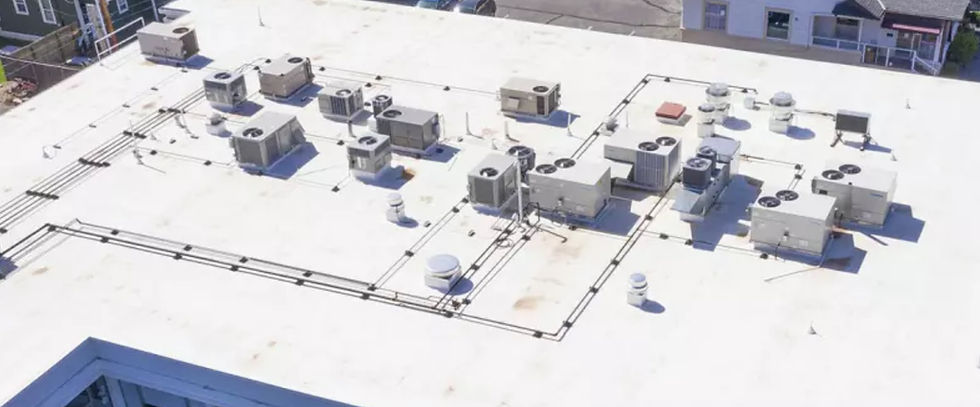
TPO Roofing is a single-ply roofing membrane made from a blend of polypropylene and ethylene-propylene rubber. It is known for its heat-reflective properties and is often white or light-colored.
EPDM Roofing is a synthetic rubber membrane made from ethylene and propylene. It is typically black and has been used in roofing for decades due to its durability and flexibility.
Both materials are designed for low-slope or flat roofs, but their composition and installation methods vary significantly.
Installation Methods and Application
The way TPO and EPDM membranes are applied to a roof affects the installation time, cost, and long-term performance.
TPO Installation
Heat Welding: TPO sheets are joined using hot-air welding, which melts the edges together to create a strong, seamless bond.
Mechanically Attached or Fully Adhered: TPO can be mechanically fastened with screws and plates or fully adhered using adhesives.
Speed: Heat welding allows for quick installation and strong seams, reducing the risk of leaks.
Surface Preparation: Requires a clean, smooth substrate for optimal adhesion.
EPDM Installation
Adhesive or Ballasted: EPDM membranes are typically installed using adhesives or by ballasting with gravel or pavers.
Seams: Seams are sealed with special tapes or adhesives, which can be less durable than heat-welded seams.
Flexibility: EPDM’s rubbery nature allows it to stretch and conform to irregular roof shapes.
Installation Time: Generally takes longer due to adhesive curing times and seam sealing.
Durability and Weather Resistance
Both TPO and EPDM offer strong resistance to weather, but their performance varies depending on climate and exposure.
TPO Durability
UV Resistance: TPO reflects sunlight, reducing heat absorption and helping keep buildings cooler.
Chemical Resistance: Good resistance to oils, chemicals, and dirt.
Lifespan: Typically lasts 15 to 20 years, though newer formulations have improved longevity.
Vulnerability: Can be prone to shrinkage and cracking in extreme cold if not installed properly.
EPDM Durability
UV and Ozone Resistance: EPDM is highly resistant to UV rays and ozone, maintaining flexibility over time.
Temperature Tolerance: Performs well in both hot and cold climates without significant degradation.
Lifespan: Can last 20 to 30 years or more with proper maintenance.
Puncture Resistance: Generally more resistant to punctures and tears than TPO.
Energy Efficiency and Environmental Impact
Energy savings and environmental considerations are increasingly important in roofing choices.
TPO Energy Efficiency
Reflectivity: The white or light-colored surface reflects sunlight, reducing cooling costs in warm climates.
Energy Star Rated: Many TPO membranes meet Energy Star requirements for reflective roofing.
Recyclability: TPO is recyclable, but recycling facilities may not be widely available everywhere.
EPDM Energy Efficiency
Absorbs Heat: The black surface absorbs heat, which can increase cooling costs in hot climates.
Cool Roof Options: White EPDM membranes are available but less common.
Environmental Impact: EPDM is durable and long-lasting, reducing waste over time, but it is not as reflective as TPO.
Cost Considerations
Budget plays a crucial role in roofing decisions. Here’s how TPO and EPDM compare in terms of cost.
Material Cost: EPDM is generally less expensive per square foot than TPO.
Installation Cost: TPO installation can be more costly due to specialized welding equipment and labor.
Maintenance: EPDM may require more frequent seam repairs, increasing maintenance costs.
Overall Value: TPO’s energy savings can offset higher upfront costs in sunny climates.
Maintenance and Repair
Understanding maintenance needs helps extend the life of your roof.
TPO Maintenance
Seam Integrity: Heat-welded seams are strong but can fail if improperly installed.
Cleaning: Requires regular cleaning to maintain reflectivity and prevent dirt buildup.
Repairs: Repairs often involve patching with heat welding, which requires professional tools.
EPDM Maintenance
Seam Sealing: Adhesive seams may need periodic resealing.
Flexibility: EPDM’s elasticity helps it resist cracking.
Repairs: Simple to repair with adhesive patches, often a DIY-friendly process.
Choosing Between TPO and EPDM
Your choice depends on several factors:
Climate: TPO suits hot, sunny climates due to its reflectivity. EPDM works well in colder or variable climates.
Budget: EPDM offers lower upfront costs; TPO may save money long-term on energy.
Roof Shape: EPDM’s flexibility is better for complex roof shapes.
Longevity: EPDM generally lasts longer but requires more maintenance.
Installation Speed: TPO installs faster with heat welding.
Real-World Examples
A commercial building in Florida chose TPO roofing to reduce air conditioning costs and benefit from the membrane’s reflective properties.
A warehouse in Minnesota installed EPDM roofing for its flexibility and durability in cold winters.
A retail store with a complex roof design opted for EPDM to accommodate multiple roof penetrations and irregular shapes.
Final Thoughts
TPO is an ideal for our Oklahoma climate, though we install both. Call us today for a consultation to help in determining the best route for your next roofing project.
Ken Capps is VP of Sales for Superior Commercial Roofing and has been serving the commercial roofing industry for over 20 years.


Comments